
Ultimate Bucket List
10 destinations so extraordinary they belong on every traveler's list. These are the trips you'll remember for the rest of your life.

Peru
Machu Picchu
The Lost City of the Incas
Perched 7,970 feet above sea level in the Andes, Machu Picchu is the crown jewel of the ancient Inca Empire. Its dramatic mountain setting, intricate stonework, and shroud of morning mist make it unlike anywhere else on Earth.
Why people cry when they first see it
There's a moment, just after you pass through the Sun Gate or step off the bus from Aguas Calientes, when Machu Picchu appears through the mist and your brain genuinely can't process what it's seeing. It's not just a ruin — it's a civilization that vanished and left behind something impossibly perfect. The Incas built this without the wheel, without iron tools, and without mortar. Every stone fits so precisely you can't slide a piece of paper between them. Standing there, you feel very small in the best possible way.
- Book your entry tickets months in advance — daily visitor caps are strict and they sell out fast, especially for the Inca Trail.
- Get on the first bus up from Aguas Calientes (around 5:30am). You'll have an hour before the crowds arrive, and the morning mist is something else entirely.
- The Sun Gate hike adds about 90 minutes round-trip and gives you the classic overhead view. It's worth every step.
- Altitude hits hard at 7,970 feet. Spend a night in Cusco first to acclimatize, and drink coca tea — it actually helps.
- Aguas Calientes is unavoidable but don't sleep there if you can help it. Stay in Cusco and take the train.
Hiram Bingham, the Yale explorer credited with 'discovering' Machu Picchu in 1911, was actually led there by a local farmer named Melchor Arteaga, who knew about it all along. The site was never truly lost — the Inca descendants always knew it was there.
Best for: History lovers, hikers, photographers, and anyone who's ever felt a pull toward ancient civilizations.
Trip difficulty: Moderate. The site itself is walkable, but altitude is the real challenge. The Inca Trail is strenuous.

Greece
Santorini
Whitewashed Villages Above a Volcanic Caldera
Santorini's iconic blue-domed churches, cliffside villages, and blood-red sunsets over the Aegean Sea have made it the most photographed island in the world. Born from a volcanic eruption, its dramatic caldera is unlike any coastline on the planet.
The island that rewired what beauty means
Every photo you've seen of Santorini undersells it. The blue of the caldera at midday is a color that doesn't have a name yet. The villages of Oia and Fira are built on the rim of a volcanic crater — you're essentially standing on the edge of a collapsed supervolcano that erupted 3,600 years ago and may have ended the Minoan civilization. The sunsets draw crowds, yes, but find a quiet taverna on the caldera edge with a glass of Assyrtiko wine and you'll understand why people move here and never leave.
- Stay in Imerovigli rather than Oia — you get the same caldera views, fewer tourists, and lower prices.
- Rent an ATV or scooter to reach the less-visited south side of the island. The black sand beaches at Perissa are stunning and rarely crowded.
- The volcanic hot springs near Nea Kameni island are reachable by boat tour from Fira — swimming there is one of those things you don't expect to love but do.
- Santorini wine is genuinely special. The local Assyrtiko grape grows in a UNESCO-protected ancient vine-training system. Do a proper tasting at Santo Wines or Estate Argyros.
- Visit in May or early October. July and August are expensive, packed, and brutally hot.
Santorini's famous white buildings aren't traditionally white — the whitewash was mandated by the Greek military junta in the 1960s as a show of national pride. Before that, buildings were painted in earthy reds, yellows, and pinks. The iconic look is less than 60 years old.
Best for: Couples, wine lovers, photographers, and anyone who wants to understand why the Mediterranean holds such a powerful grip on the human imagination.
Trip difficulty: Easy. The main challenge is navigating the steps between the cliffside villages — there are hundreds of them and they're steep.
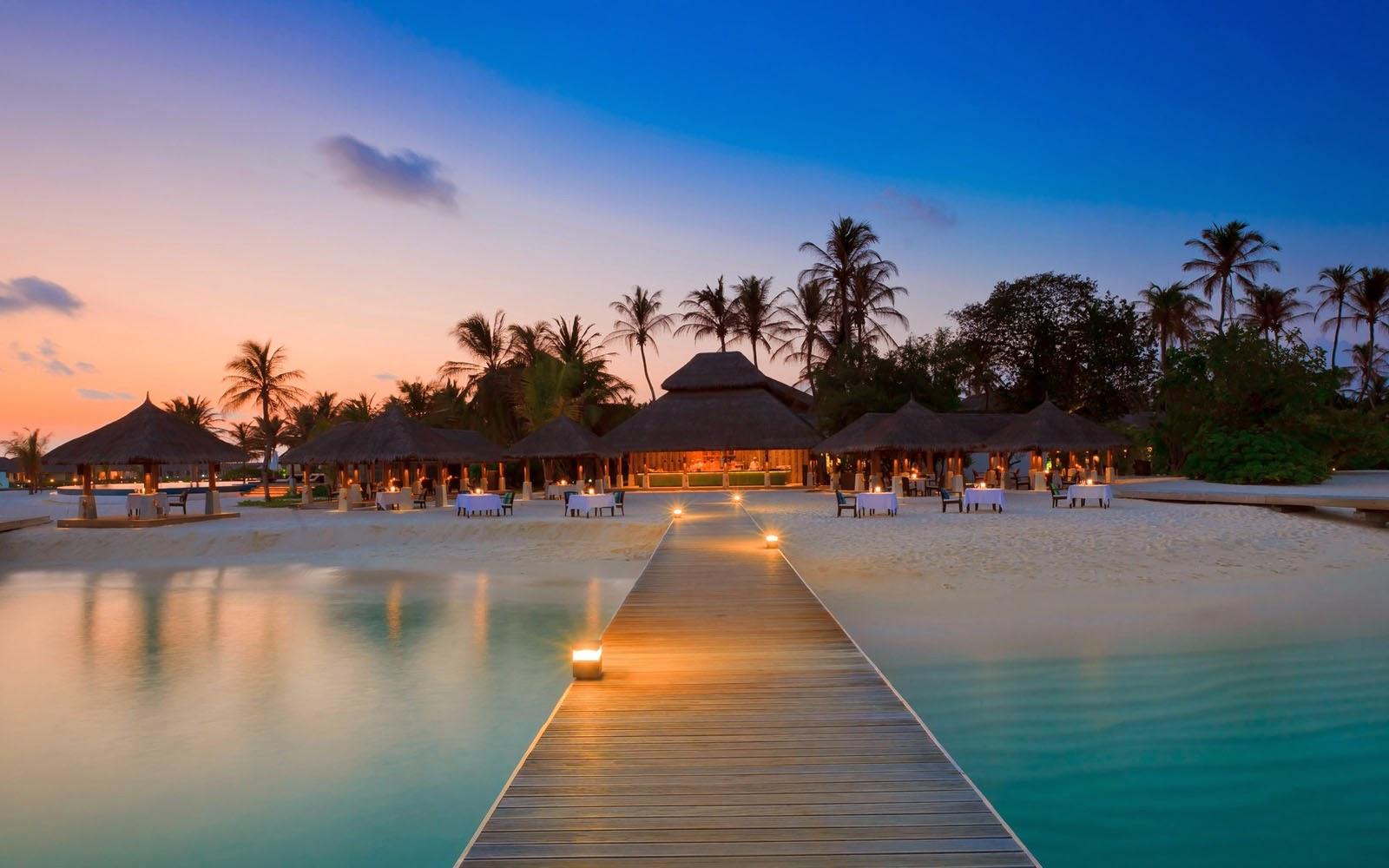
Indian Ocean
The Maldives
Overwater Bungalows in Crystal-Clear Atolls
The Maldives is 1,200 coral islands scattered across the Indian Ocean, where the water is so clear you can see the reef from your overwater villa. With the world's largest concentration of manta rays, whale sharks, and coral gardens, it's a paradise above and below the surface.
The place where doing nothing becomes an art form
The Maldives is one of the few destinations that actually lives up to its reputation. The water really is that color. The coral reefs really are that alive. And yes, waking up in an overwater villa and stepping directly into the Indian Ocean at 6am with no one around is as good as it sounds. But what surprises most people is how peaceful it is — no cities, no traffic, no noise except water. After two days you start to slow down in a way that feels almost physical. This is the trip you take when you need to remember what rest actually feels like.
- Choose your resort carefully — the Maldives is essentially a collection of private islands, and once you're there, that's your world. Read reviews obsessively before booking.
- The seaplane transfers from Male airport are expensive but spectacular. The 30-minute flight over the atolls is itself a highlight.
- Bring an underwater camera. The house reef snorkeling from your own villa is often better than organized excursions.
- Book direct with resorts rather than through agencies — you'll often get free upgrades or inclusions, especially for honeymoons.
- The all-inclusive packages look expensive but eating and drinking a la carte adds up extremely fast. Do the math before you arrive.
The Maldives is the lowest-lying country on Earth, with an average ground elevation of just 1.5 meters above sea level. At the current rate of sea level rise, significant portions could be uninhabitable within 30 years. The government has already purchased land in Sri Lanka and Australia as a contingency.
Best for: Couples, honeymooners, divers, snorkelers, and anyone who needs a genuine digital detox in a setting that makes it easy.
Trip difficulty: Easy. This is deliberately effortless travel. The main complexity is the logistics of getting to your specific island.

Tanzania
Serengeti
The Great Migration on the African Plains
Every year, 1.5 million wildebeest and 250,000 zebras thunder across the Serengeti in the greatest wildlife spectacle on Earth. Beyond the migration, this vast savanna is home to the Big Five and some of the most dramatic predator-prey encounters in nature.
What it feels like to witness something ancient and unstoppable
The Great Migration isn't a wildlife event — it's a force of nature. 1.5 million wildebeest moving as a single organism, driven by instinct older than human memory, crossing crocodile-filled rivers because they simply must. A safari in the Serengeti recalibrates your sense of scale. The sky is enormous. The silence between animal calls is complete. You realize that for most of human history, this is what the world looked like everywhere, and that what we've lost is staggering. Most people come back from safari changed in some small but permanent way.
- The Mara River crossing (July to October) is the most dramatic wildlife event on Earth — time your trip to catch it. Book a guide who knows the crossing points.
- A hot air balloon at dawn over the Serengeti is expensive (around $500) and absolutely worth it. Book before you arrive.
- Stay in a tented camp rather than a lodge if you can — falling asleep to hyenas and waking to birdsong is the real experience.
- Don't neglect the Ngorongoro Crater, a short drive from the Serengeti. The density of wildlife in the crater is unlike anywhere else.
- January and February (calving season) is an underrated time to visit — hundreds of thousands of wildebeest calves born within weeks, and the predators are in a frenzy.
The Serengeti ecosystem is so finely balanced that the wildebeest migration is actually responsible for maintaining the grassland itself. Their grazing, wallowing, and waste fertilizes the soil in ways that no other species can replicate. Remove the wildebeest and the entire ecosystem collapses within years.
Best for: Wildlife lovers, photographers, anyone curious about the natural world, and people who want to feel the scale of something genuinely wild.
Trip difficulty: Moderate. The safari itself is comfortable, but the journey to get there — long-haul flights, remote camps, rough roads — requires some tolerance for logistics.
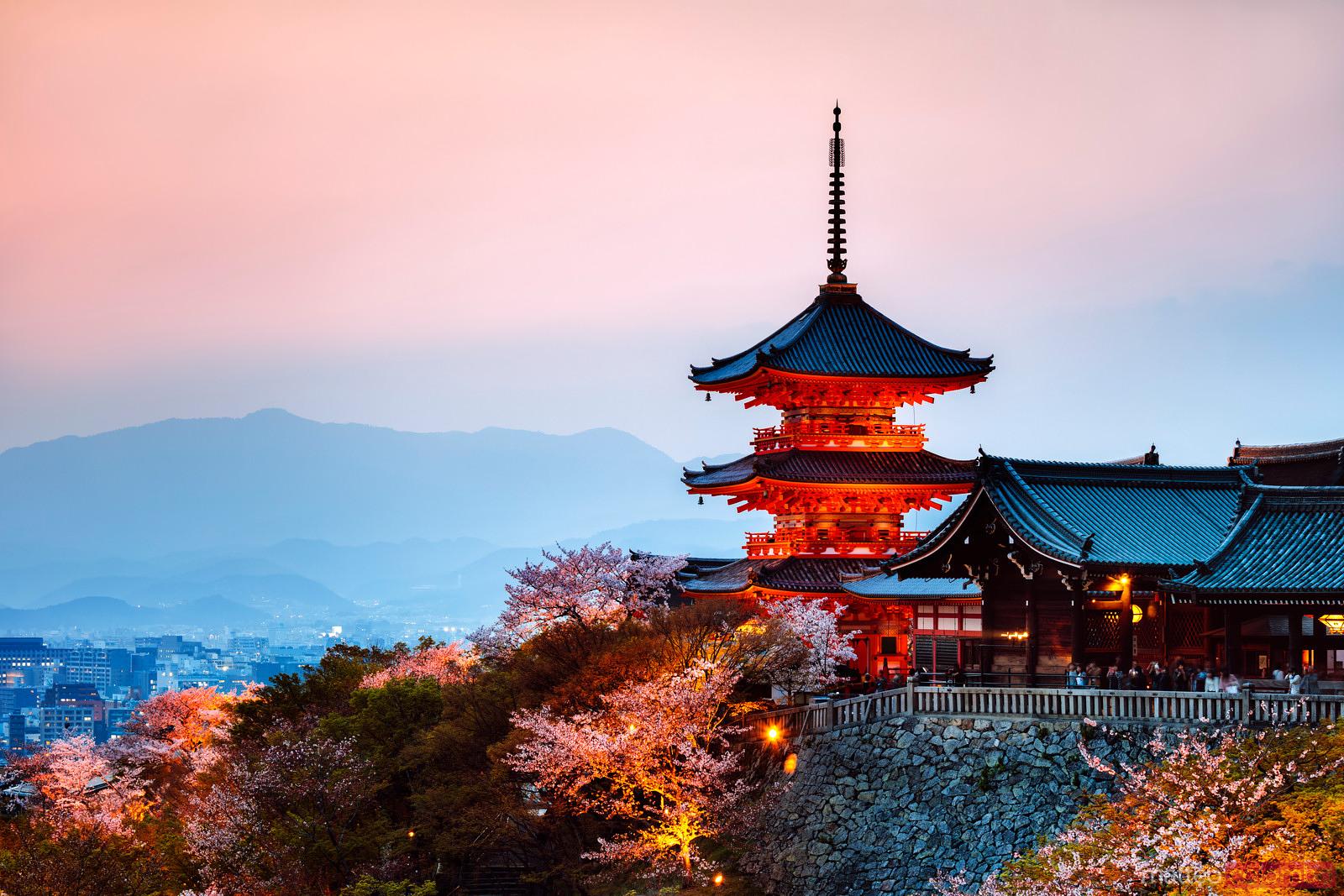
Japan
Kyoto
Ancient Temples, Bamboo Forests & Cherry Blossoms
Japan's ancient imperial capital is home to over 1,600 Buddhist temples, 400 Shinto shrines, and some of the world's most serene gardens. From the tunnel of 10,000 torii gates at Fushimi Inari to the ethereal bamboo groves of Arashiyama, Kyoto is where Japan's soul lives.
The city that makes you feel like you arrived somewhere real
Most major cities feel increasingly the same. Kyoto doesn't. It has 1,600 Buddhist temples, 400 Shinto shrines, and neighborhoods where the streets haven't changed in centuries. But what makes Kyoto special isn't the monuments — it's the texture of daily life woven around them. A monk sweeping temple steps at dawn. A matcha shop that's been in the same family for eight generations. The sound of wooden sandals on stone. Kyoto is the rare place where ancient culture isn't performed for tourists — it's just how people live. Cherry blossom season is transcendent, but every season here has its own specific beauty.
- Fushimi Inari — the tunnel of 10,000 torii gates — is breathtaking at 6am and a tourist scrum by 10am. Go early, walk all the way to the top (most people don't), and you'll have the upper trails nearly to yourself.
- Rent a bicycle. Kyoto is perfectly sized for cycling and it lets you slip into neighborhoods that tour buses never reach.
- The Gion district at dusk is worth an evening, but if you actually want to see a geisha, stand quietly near Hanamikoji Street around 5-6pm — they're walking between appointments and a respectful distance is key.
- Book a traditional kaiseki dinner at least one night. It's expensive but it's a form of art — twelve courses that tell the story of the season.
- Go to Arashiyama on a weekday morning. The bamboo grove is genuinely magical when it's quiet, and forgettable when it's not.
During World War II, US Secretary of War Henry Stimson personally intervened to remove Kyoto from the atomic bomb target list, despite it being the top military recommendation. Stimson had honeymooned there and understood its cultural importance. His decision saved the city.
Best for: Culture seekers, food lovers, photographers, solo travelers, and anyone who finds meaning in places where the past and present genuinely coexist.
Trip difficulty: Easy to moderate. Japan's infrastructure is world-class and Kyoto is very navigable, though the cultural depth rewards travelers who do some homework first.

Iceland
Northern Lights
Dancing Auroras Across the Arctic Sky
Iceland is the world's best place to witness the Aurora Borealis — curtains of green, purple, and pink light rippling across the night sky. But Iceland's bucket list goes beyond the lights: thundering geysers, black sand beaches, cascading waterfalls, and steaming geothermal pools make every season extraordinary.
The sky does something here that it does nowhere else
People try to describe the Northern Lights and almost always fall short. It's not that the colors are dramatic — sometimes they're barely a shimmer on the horizon. What gets you is the movement. The aurora doesn't sit still. It ripples and pulses and sometimes erupts in curtains of green and violet that cover the entire sky, and your brain keeps trying to find a reference point for what you're seeing and coming up empty. Iceland is the best place on Earth to see it because the landscape amplifies it — snow, lava fields, frozen waterfalls, silence. The lights happen on their own schedule. When they appear, everything else stops.
- Download the Vedur app (Iceland's official weather service) and the Aurora Forecast app. Check both obsessively. Clear skies and high KP index are everything.
- Drive away from Reykjavik — even 30 minutes out removes enough light pollution to transform the experience.
- The Blue Lagoon books out weeks in advance, especially for evening slots. Reserve before you book your flights.
- The Ring Road (Route 1) is doable in 7-10 days and takes in waterfalls, glaciers, black sand beaches, and fjords. Rent a 4WD.
- If you're visiting for the aurora, go November through February — longer nights, better odds. But summer brings the midnight sun, which is its own strange miracle.
Iceland sits directly on the Mid-Atlantic Ridge, where the Eurasian and North American tectonic plates are pulling apart at about 2.5 centimeters per year. You can literally stand with one foot on each plate at Thingvellir National Park. The island is geologically alive in a way that nothing else in the developed world is.
Best for: Adventure seekers, nature lovers, photographers, couples, and solo travelers who want a destination that demands nothing except that you pay attention.
Trip difficulty: Moderate. Iceland is easy to navigate but the weather is genuinely unpredictable and winter driving requires experience and a capable vehicle.
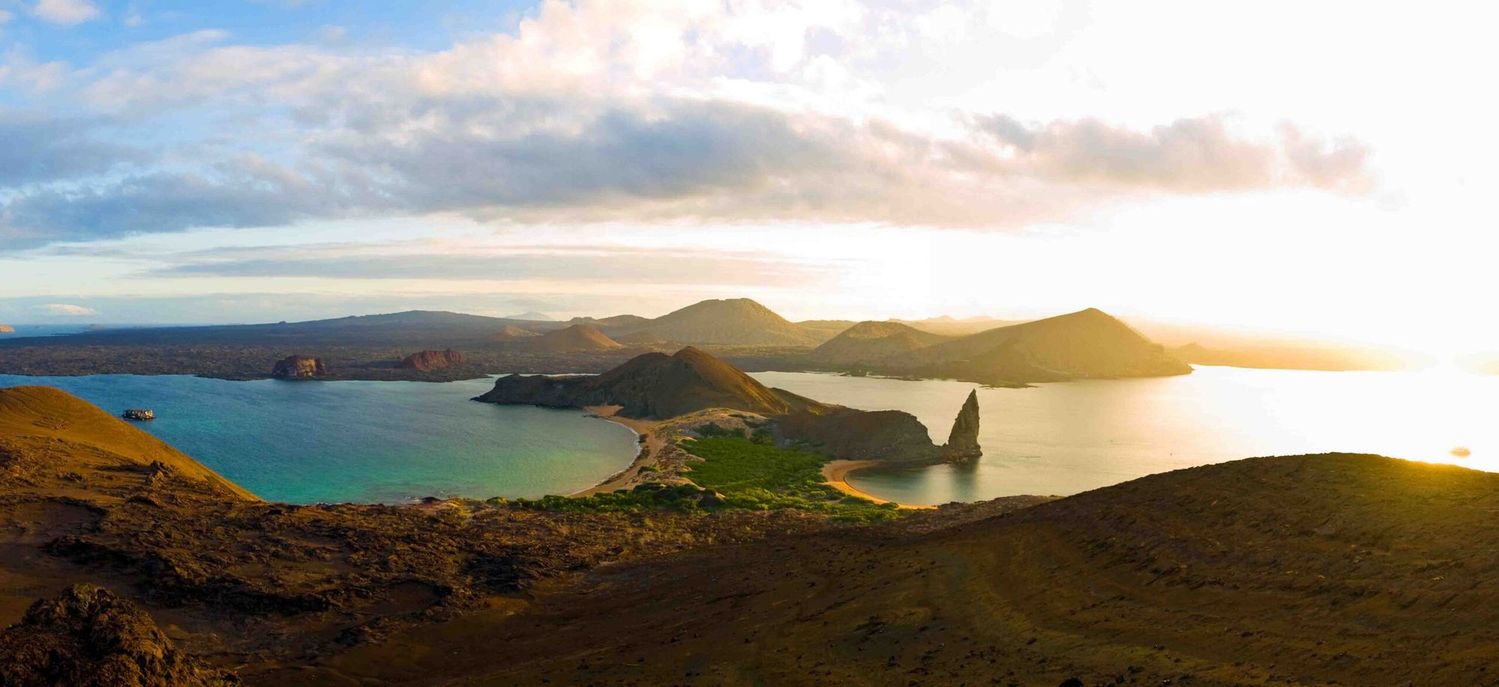
Ecuador
Galapagos Islands
Where Evolution Plays Out Before Your Eyes
The Galapagos Islands inspired Darwin's theory of evolution, and the wildlife here is unlike anywhere on Earth — giant tortoises that live 150 years, marine iguanas that swim in the ocean, blue-footed boobies that perform elaborate mating dances. The animals have no fear of humans, making encounters breathtakingly intimate.
The wildlife has no idea you are a threat
The thing that undoes people in the Galapagos isn't the scenery — it's the animals. A sea lion pup that waddles over and sniffs your shoe. A blue-footed booby performing its mating dance three feet in front of you, completely indifferent to your presence. Marine iguanas that swim through the surf as you snorkel alongside them. The Galapagos wildlife evolved without natural predators, so they have no fear of humans. What you experience there isn't wildlife viewing — it's something closer to peaceful coexistence with a world that hasn't learned to be afraid of us yet. It's a privilege that's difficult to articulate until you've felt it.
- The islands are only accessible via licensed tour operators. A live-aboard boat lets you cover more islands but a land-based trip with day tours works well if you get seasick.
- Santa Cruz, Isabela, and Fernandina offer the most diverse wildlife. Espanola is the best for seabirds. Pick your priorities before booking.
- Snorkeling with marine iguanas, sea lions, and Galapagos penguins is the highlight for most visitors. Bring your own gear or rent quality equipment.
- Book your trip at least 6 months out. The Galapagos is heavily regulated — visitor numbers are capped and the good boats fill fast.
- Don't rush. The visitors who get the most from the Galapagos are the ones who slow down and observe rather than trying to tick off species.
Charles Darwin spent only 5 weeks in the Galapagos in 1835 — less time than most tourists visit today. Yet those 5 weeks gave him the observations that would eventually lead to On the Origin of Species, published 24 years later. The islands didn't just inspire a book; they rewired how humans understand life on Earth.
Best for: Nature and wildlife lovers, divers, snorkelers, families, and anyone who wants to understand why biodiversity is worth protecting.
Trip difficulty: Moderate. The islands themselves aren't physically demanding, but the journey is long and the logistics require planning.
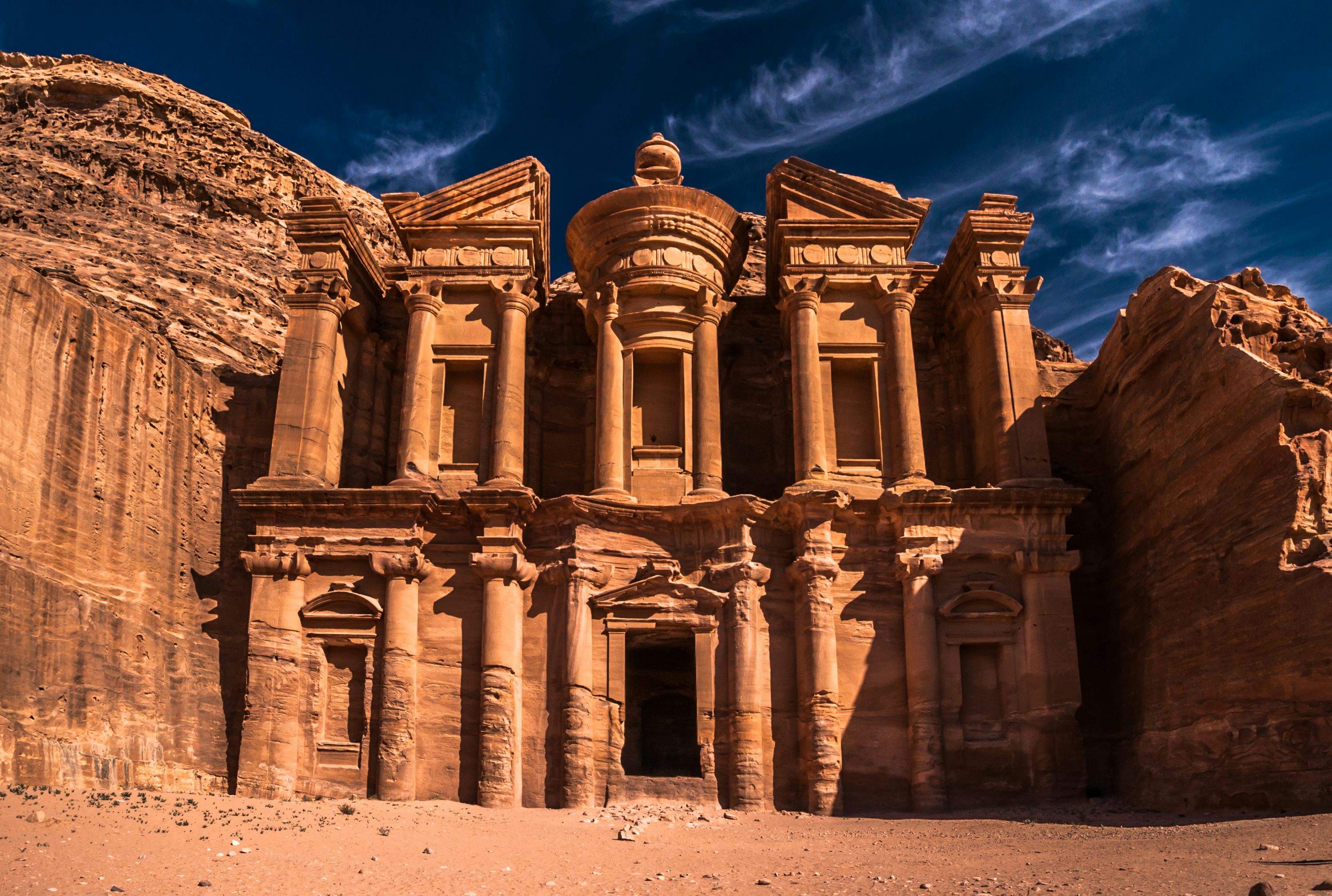
Jordan
Petra
The Rose-Red City Half as Old as Time
Carved directly into rose-red cliffs by the Nabataean people 2,300 years ago, Petra is one of the most astonishing archaeological sites in the world. Walking the Siq — a narrow canyon corridor — and emerging to see the Treasury carved into the rock face is one of travel's great cinematic moments.
The moment the Treasury appears is one of travel's great cinematic experiences
You walk the Siq for about a mile — a narrow slot canyon with walls that tower 80 meters above you, blocking the sky to a thin ribbon of light. The path twists and turns. You hear other visitors but rarely see them. And then the canyon narrows one final time, and through the crack in the rock you catch your first glimpse of the Treasury's columns, carved directly into the rose-red sandstone. You stop walking. Everyone does. The Nabataeans built Petra as a hidden city, a caravan crossroads carved into the cliffs 2,300 years ago, and the walk through the Siq replicates what ancient traders would have felt arriving for the first time. Architecture made to astonish. It still works.
- Petra by Night (Monday, Wednesday, Friday evenings) is 2,000 candles lighting the Siq and the Treasury. It's touristy and it's still extraordinary. Go.
- Most visitors see the Treasury and turn back. Walk another hour to reach the Monastery — it's larger, less crowded, and the sunset view from the ridge above it is one of the best in the world.
- Start early. Petra opens at 6am and by 10am the heat and crowds are both unpleasant.
- Hire a local guide. The history of the Nabataean people is fascinating and almost entirely overlooked by guidebooks.
- Jordan is startlingly affordable by Middle Eastern standards. Stay in Wadi Musa (the town next to Petra) and eat at local restaurants — the food is excellent.
Petra was so thoroughly forgotten by the Western world that its location was unknown for centuries. Swiss explorer Johann Ludwig Burckhardt rediscovered it in 1812 by disguising himself as an Arab pilgrim — the Bedouin who guarded the site were deeply suspicious of outsiders and he only gained access by pretending to make a sacrifice at a local tomb. The city had been continuously inhabited by Bedouin tribes all along.
Best for: History and archaeology lovers, hikers, photographers, and travelers who respond to places with genuine mystery and depth.
Trip difficulty: Moderate to strenuous. The Treasury is accessible to everyone, but the full site involves significant walking and the Monastery trail is a real climb.
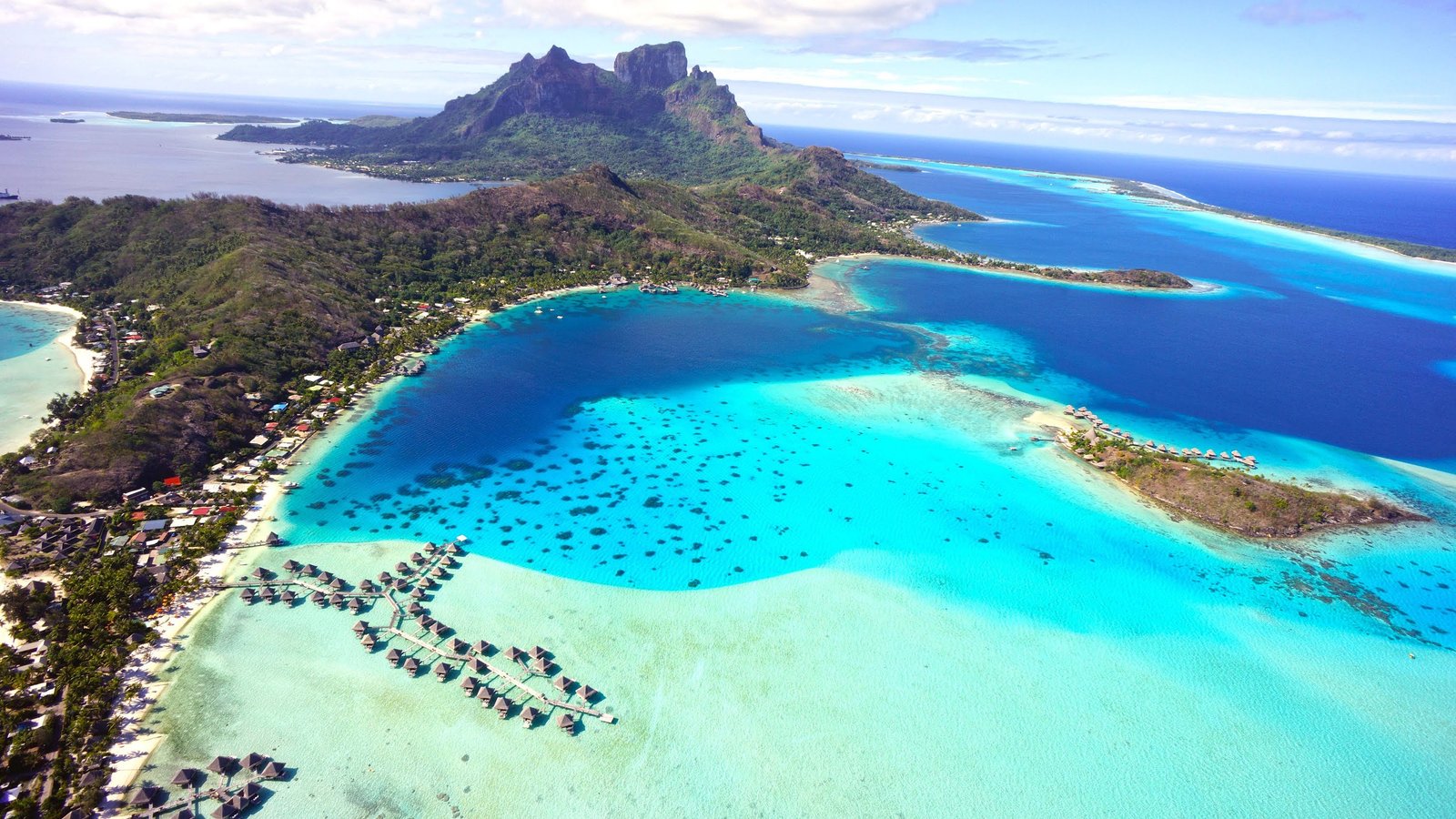
French Polynesia
Bora Bora
The Pearl of the Pacific
Bora Bora is what comes to mind when people say "paradise" — a volcanic peak rising from a turquoise lagoon ringed by a coral reef, dotted with overwater bungalows and surrounded by every shade of blue imaginable. It's the honeymoon capital of the world for good reason.
What it means to be somewhere so beautiful it feels implausible
Bora Bora is one of those rare places where reality exceeds imagination. You've seen the photos — the turquoise lagoon, the overwater bungalows, the volcanic peak rising above the reef. And then you arrive and the water is somehow more blue, the mountain more dramatic, the silence more complete than anything a photograph can hold. The lagoon is a natural aquarium: blacktip reef sharks patrol the shallows, rays glide across the sandy bottom, and the coral gardens are some of the healthiest in the Pacific. Most people come for the luxury. What catches them off guard is the wildness underneath it.
- An overwater bungalow is non-negotiable if you can stretch to it. The ability to step off your deck directly into the lagoon changes the whole experience.
- The best snorkeling and diving is on the outer reef, not in the main lagoon. Book a boat tour with a knowledgeable guide who knows the spots.
- Rent a bicycle or scooter and circle the main island — it takes about two hours and the views of the lagoon from the road are spectacular.
- Four Seasons, InterContinental, and St. Regis are the flagship resorts. Conrad and Le Meridien are beautiful and meaningfully cheaper.
- Fly via Papeete (Tahiti) — it's the only connection. Add a night in Tahiti each way rather than rushing the connection.
Bora Bora was a major US military base during World War II. The Americans built the road that circles the island and left behind large coastal defense guns that still sit on the hillsides today. The lagoon was used as a refueling depot for naval ships heading to the Pacific theater. Almost none of this history is mentioned in resort brochures.
Best for: Couples, honeymooners, luxury travelers, divers, and anyone who wants to understand what 'paradise' actually feels like when you're standing in it.
Trip difficulty: Easy. This is deliberately luxurious travel. The main challenge is the long-haul journey to get there.
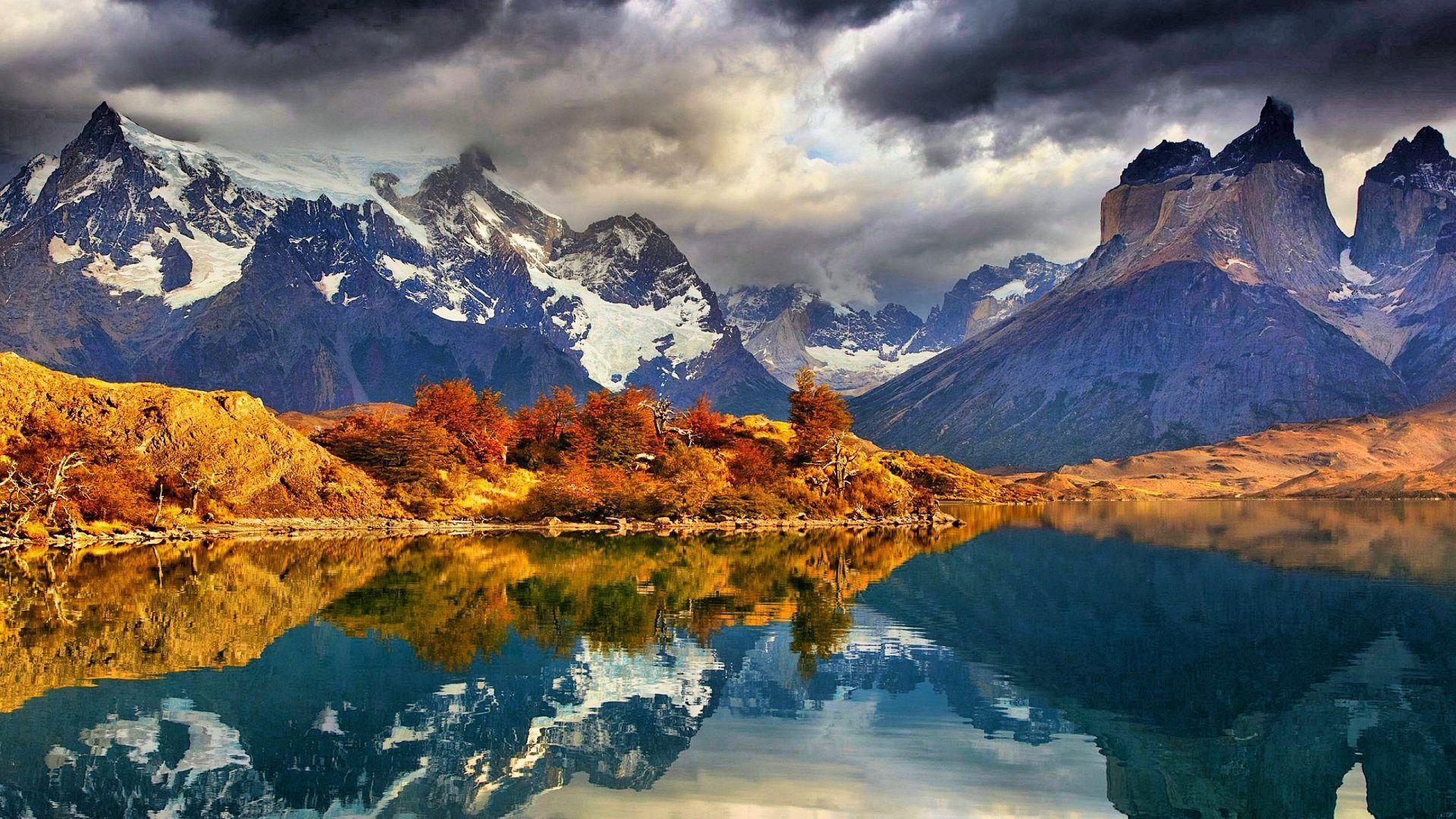
Argentina
Patagonia
Glaciers at the End of the World
Patagonia is the world's last great wilderness — a land of cracking glaciers, granite towers, and condors soaring over turquoise lakes. The Perito Moreno glacier is one of the few in the world still advancing, and watching the ice calve into Lago Argentino is an experience of raw geological power.
The glacier is alive and it will remind you how small you are
Perito Moreno doesn't look like other glaciers. It advances rather than retreats — one of only a handful in the world still growing — and it pushes into Lago Argentino with a grinding, cracking force that you feel in your chest. Every few minutes, a piece of ice the size of a building calves off the face and falls into the lake with a sound like artillery fire. You stand on the boardwalks and watch and realize that you're witnessing geology happening in real time. Patagonia is extreme in a way that's rare in the modern world. The wind wants you gone. The distances are enormous. The silence is complete. And all of it combines into something that feels like arriving at the actual edge of the earth.
- The boardwalks at Perito Moreno are free with park entry and give you face-level views of the glacier wall. Don't pay for the boat unless you want an additional angle.
- Ice trekking on the glacier surface is the premium experience — crampons, ice axes, views across an endless blue-white landscape. Book in advance through Los Glaciares park operators.
- Torres del Paine in Chile (a 3-hour drive) is one of the great hikes on Earth. The W trek takes 4-5 days; the full O circuit takes 9-10. Both reward the effort enormously.
- El Calafate is the logistics hub but it's not a destination itself. Use it as a base and spend your days in the parks.
- Patagonian weather changes multiple times per day. Wear layers, carry rain gear, and don't let a grey morning make you cancel plans.
Perito Moreno is one of only three glaciers in Patagonia that is not retreating. Scientists don't fully understand why — the surrounding glaciers are all shrinking rapidly, but Moreno continues to advance at roughly 2 meters per day. It periodically dams a section of Lago Argentino entirely, builds up pressure, and then ruptures catastrophically — an event that draws thousands of spectators and happens roughly every few years.
Best for: Hikers, adventure travelers, photographers, nature lovers, and anyone drawn to landscapes that feel genuinely untouched.
Trip difficulty: Moderate to strenuous depending on your ambitions. El Calafate itself is easy; the Torres del Paine treks are demanding.
Ready to Start Planning?
Search flights, compare hotels, and book activities for your bucket list trip — all in one place.